Endangered Western Leopard Toads on Cape Town Roads: The Problem and the Solution
The Problem
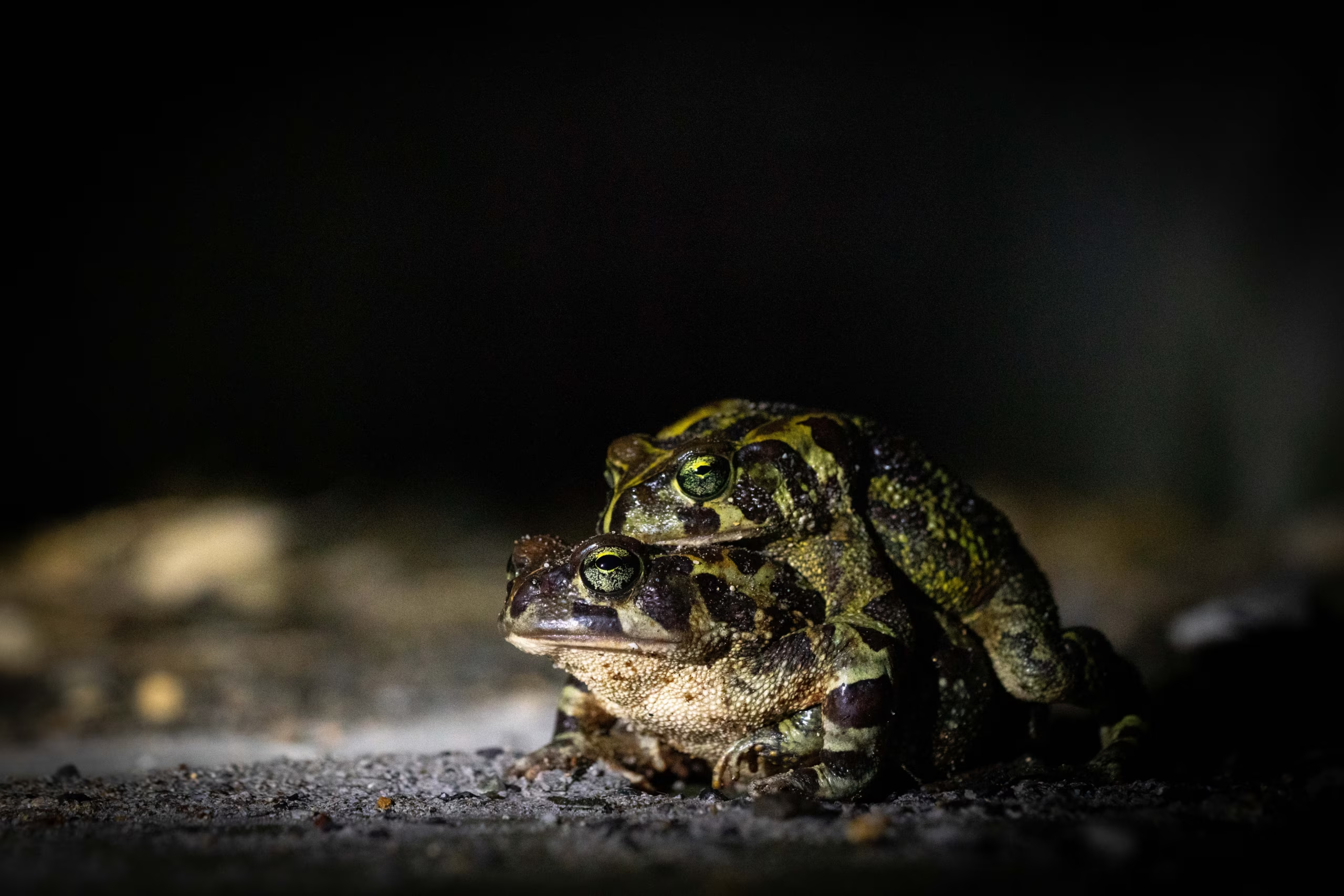
The Western Leopard Toad (Sclerophrys pantherina) is an Endangered amphibian found only in the Western Cape Province of South Africa. Its survival is under severe pressure due to habitat loss, fragmentation, and urban expansion. The species occupies a small and shrinking range, with populations that are increasingly isolated.
The Western Leopard Toad fits the Reverse the Red movement perfectly. This is due to its official, high-risk conservation status. There are intense, targeted, and collaborative efforts to save it.
One of the most critical threats to its persistence is roadkill during annual breeding migrations. Between July and October, these toads travel at night to reach traditional wetlands for breeding. Unfortunately, many of these journeys intersect busy urban roads, where vehicles pose a deadly obstacle. Road mortality is a significant threat. These migrations face a severe challenge due to road fatalities, jeopardizing the long-term survival of the species.
The Solution: The Western Leopard Toad Underpass Project
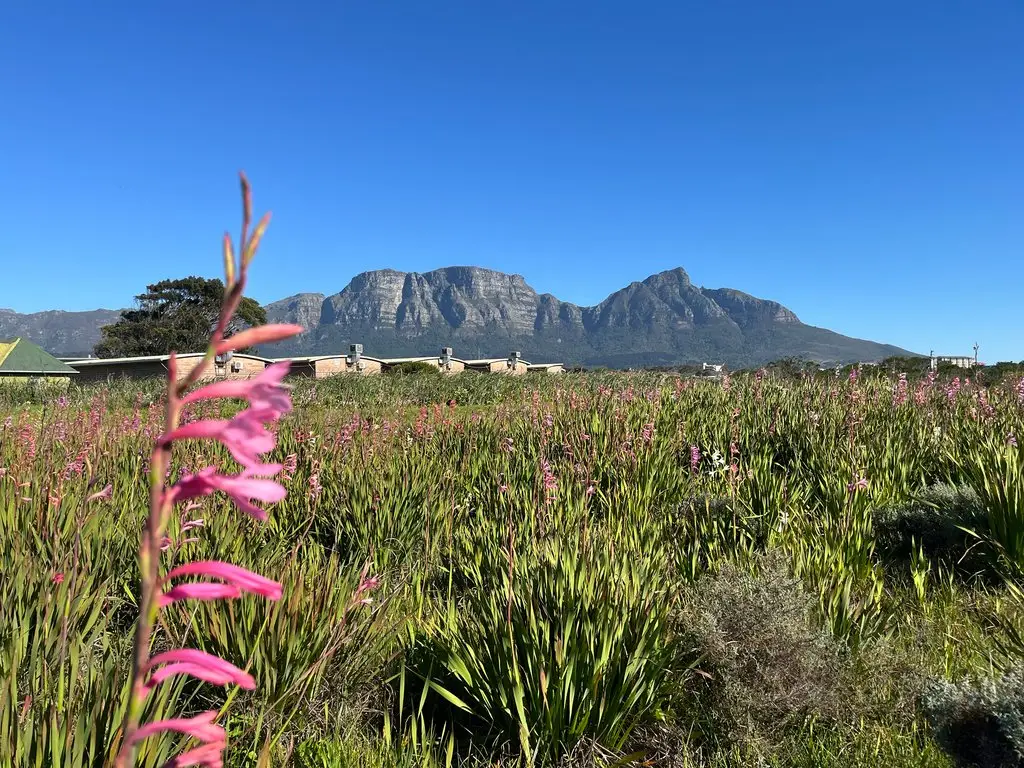
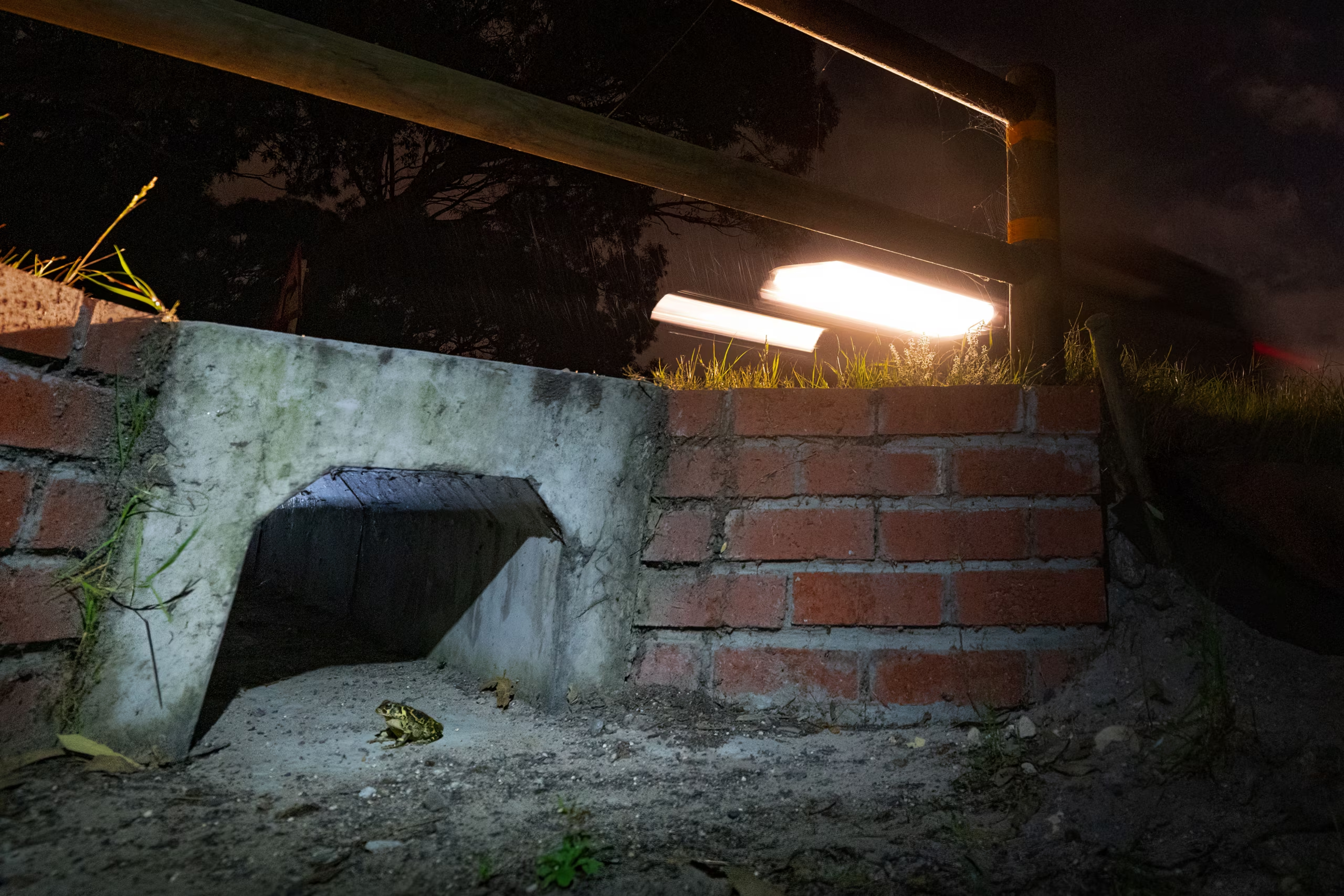
To tackle this urgent threat, Nature Connect took action. They launched the Western Leopard Toad Underpass Project along Peninsula Road in Zeekoevlei, Cape Town. This stretch of road lies between two key breeding wetlands within the False Bay Nature Reserve, Rondevlei and Zeekoevlei.
Between 2021 and 2023, six amphibian underpasses were constructed, supported by 800 meters of drift fencing. The fencing guides migrating toads toward the tunnels, allowing them to cross safely beneath the road. This pilot project is a groundbreaking strategy designed to mitigate mortality. It aims to protect the species while maintaining ecological connectivity in an urban landscape.
Monitoring Efforts
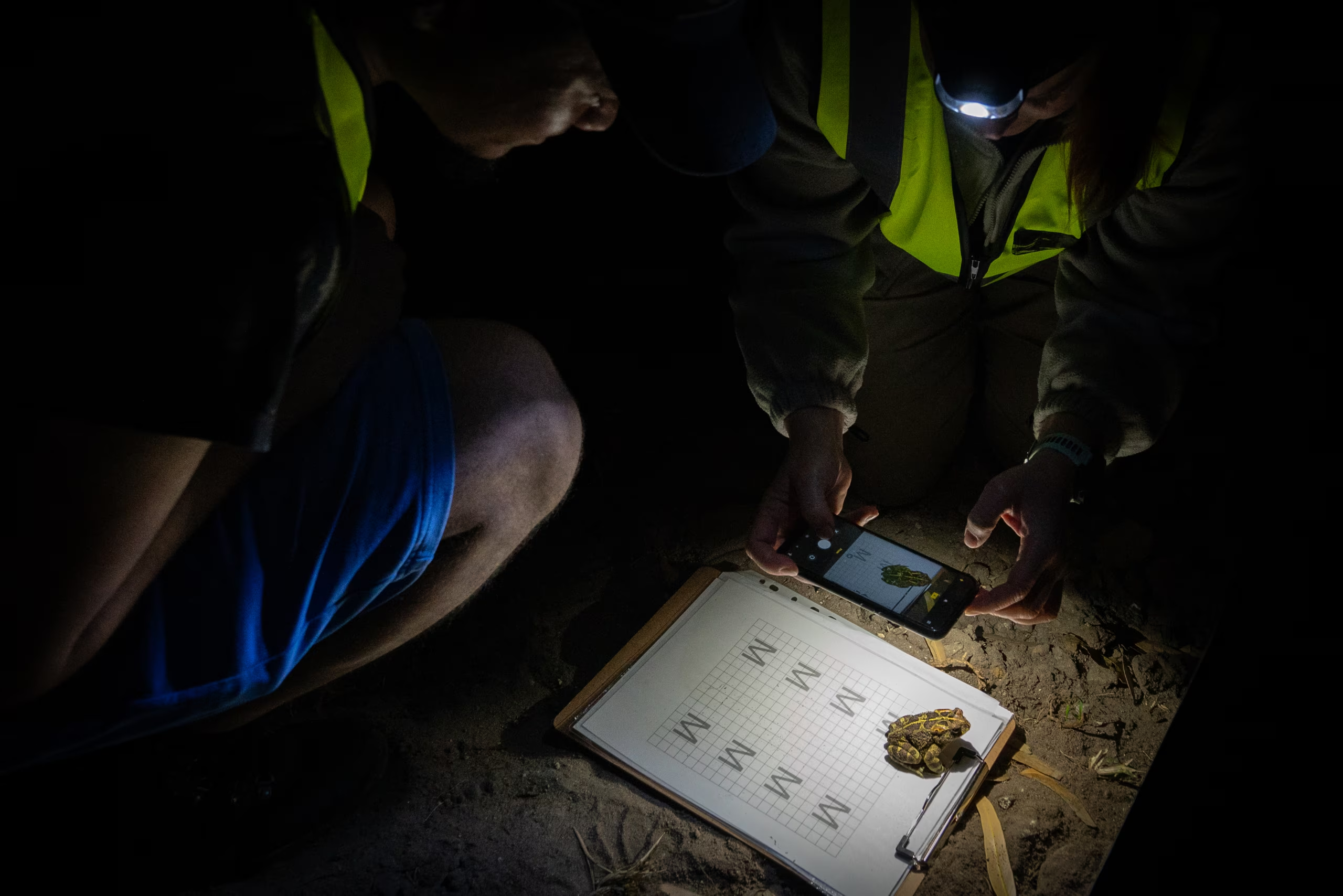
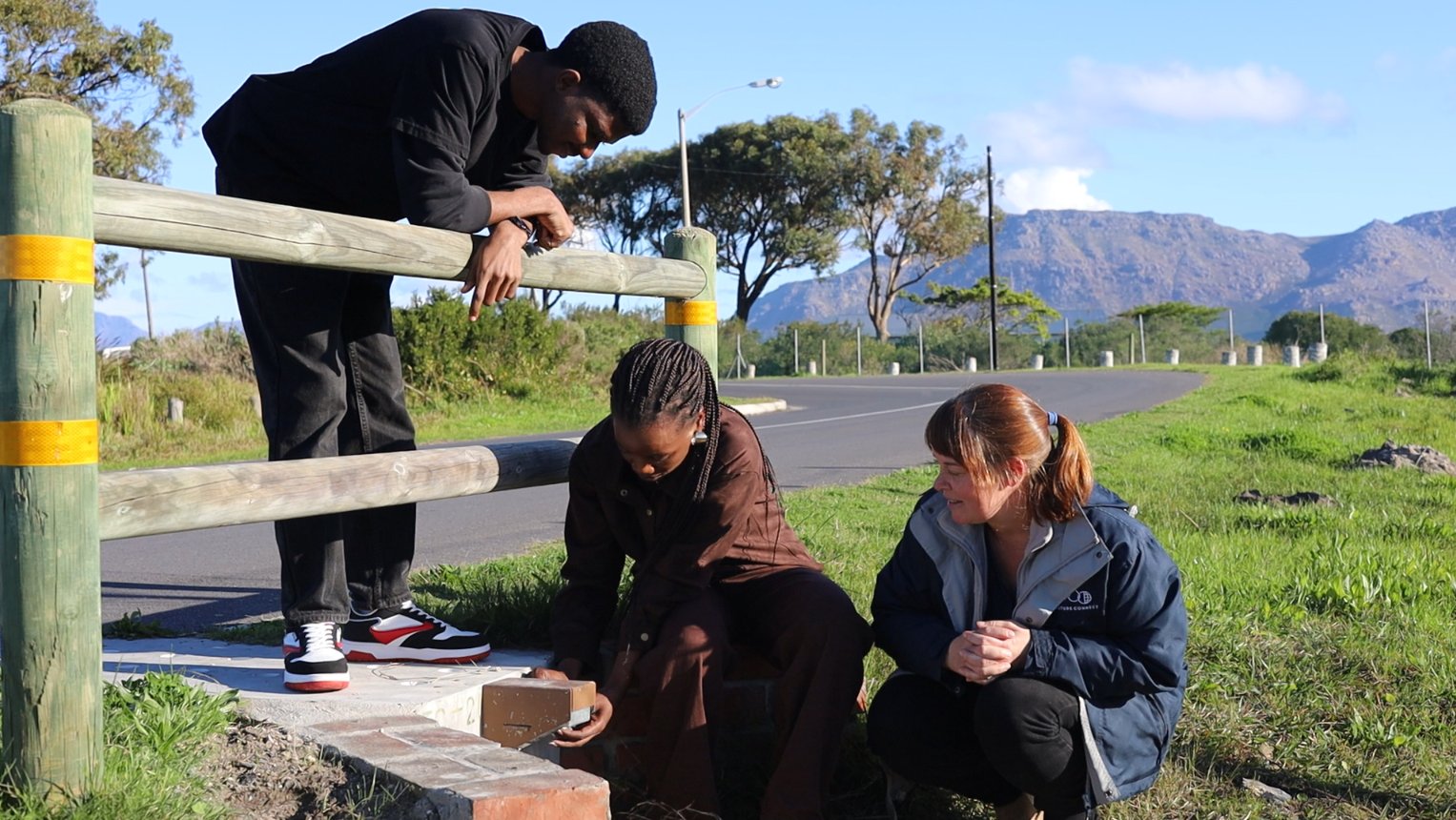
From 2023 to 2025, structured nocturnal patrols were carried out by volunteers, students, and Nature Connect staff. Over 467 patrol hours across 96 nights, teams recorded amphibian activity, road mortalities, barrier breaches, and environmental conditions. Data collection was supported by iNaturalist uploads with 391 verified records. Camera traps at tunnel entrances captured nocturnal wildlife movement.
This monitoring provided a robust dataset on species presence, tunnel usage, and migration timing. This information is essential for evaluating the effectiveness of the underpass system.
Outcomes: Toad Activity and Mortality
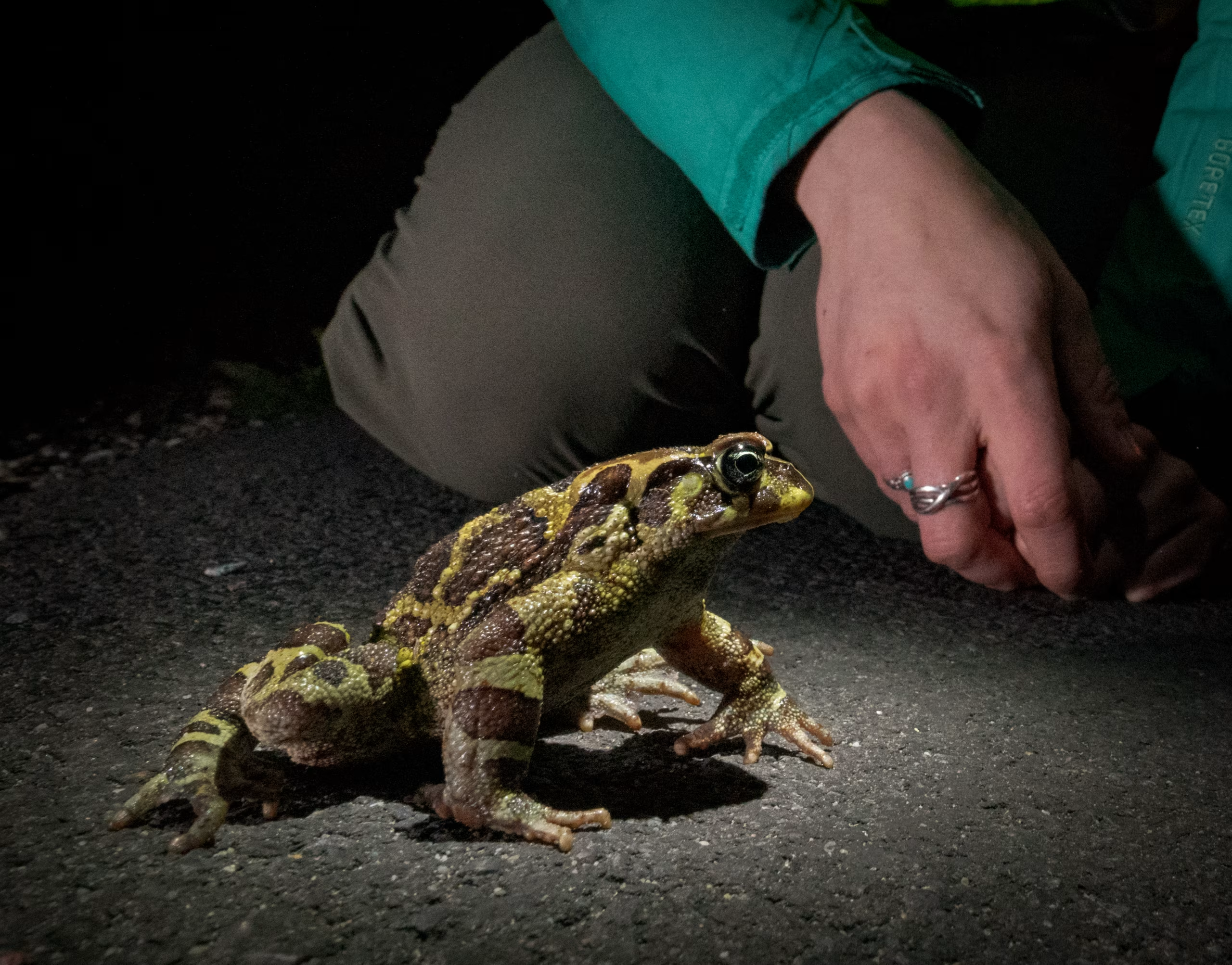
The results have been striking. Migration peaks were consistently observed between mid-August and early September. More than 470 individual Western Leopard Toads were recorded, with 2025 showing a particularly strong juvenile cohort, indicating successful recruitment.
Most importantly, road mortality within the underpass section was virtually eliminated:
- 2023: 0 mortalities
- 2024: 1 mortality
- 2025: 0 mortalities
Across three seasons, only one roadkill was recorded. This demonstrates that the underpasses and fencing are highly effective in preventing vehicle-related fatalities.
Biodiversity Highlights
The underpass corridor has proven valuable not only for Western Leopard Toads but for a wide range of species. In 2025 alone, researchers documented:
- 778 Clicking Stream Frogs (Strongylopus grayii)
- 48 Sand Frogs (Tomopterna delalandii)
- 38 Flat Cacos (Cacosternum platys)
- 21 Arum Lily Reed Frogs (Hyperolius horstockii)
Interesting sightings included the endangered Cape Platanna (Xenopus gilli), one of the world’s rarest amphibians. Camera traps also captured mammals like water mongoose and African pygmy mouse. These findings highlight the corridor’s role as a multispecies movement pathway, reinforcing the importance of ecological connectivity in urban areas.
The Human Engine Behind the Project
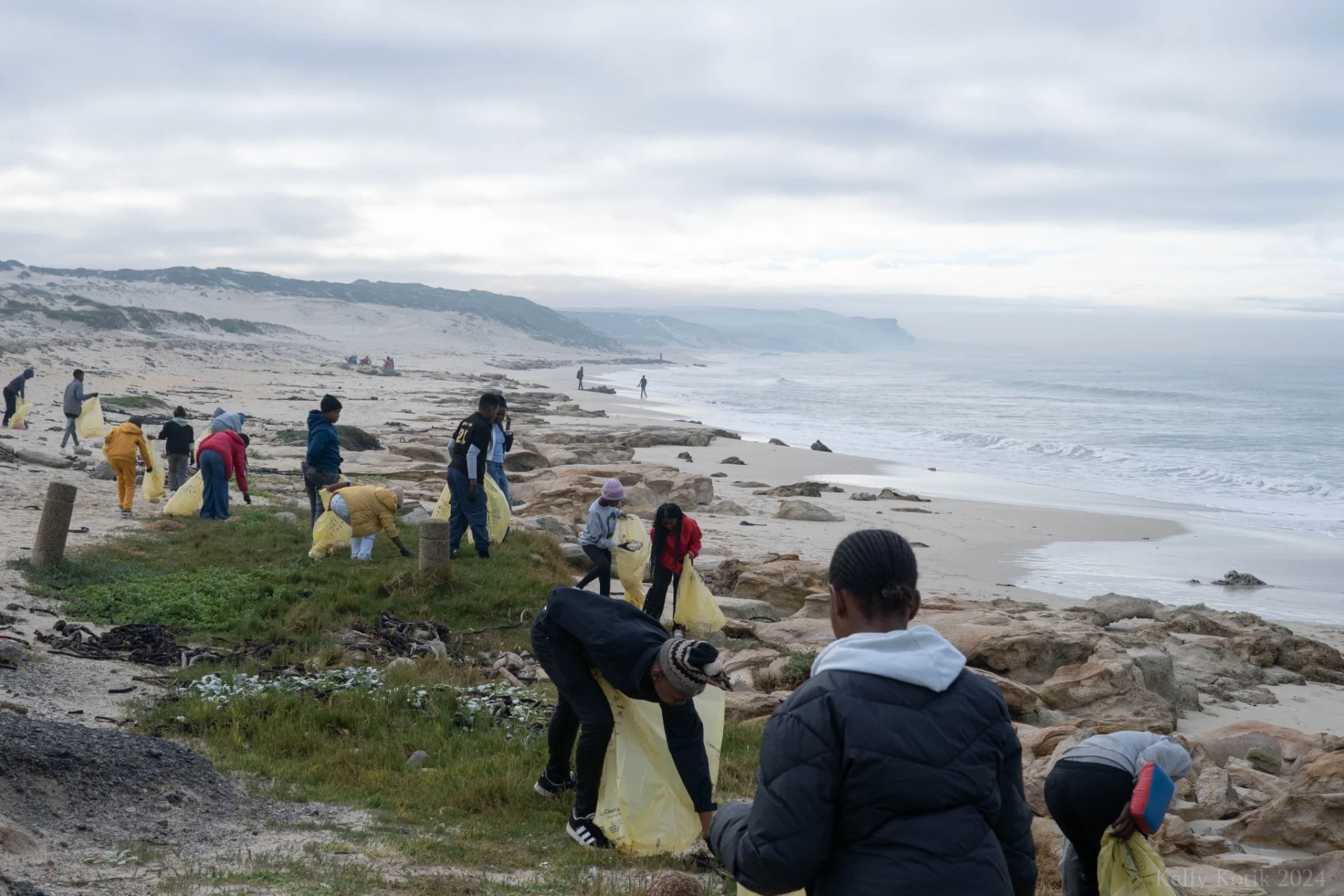
The success of this initiative is driven by people. Volunteers, students, and community members form the backbone of the project, conducting patrols, repairing barriers, and documenting sightings. Their contributions, hundreds of patrol hours and countless observations, show the power of citizen science in shaping conservation outcomes.
As the project expands, the need for passionate volunteers grows. By joining, individuals can help reduce road mortality. They can safeguard amphibian migrations. They will also strengthen a model that can be replicated across Cape Town. Interested participants can reach out via kimg@natureconnect.earth or Imaanm@natureconnect.earth.
Conclusion
The Western Leopard Toad Underpass Project demonstrates that well-designed infrastructure can dramatically reduce road mortality. This success is possible when joined with dedicated monitoring and community involvement. Over three seasons, the infrastructure has enabled safe passage for hundreds of amphibians. It has also supported a diverse range of other wetland species.
This project aims to be a blueprint for how urban areas can coexist with endangered wildlife. It ensures that ecological corridors stay open. These corridors will continue to be functional for generations to come.