Stepping into Spring at Kenilworth Racecourse Conservation Area
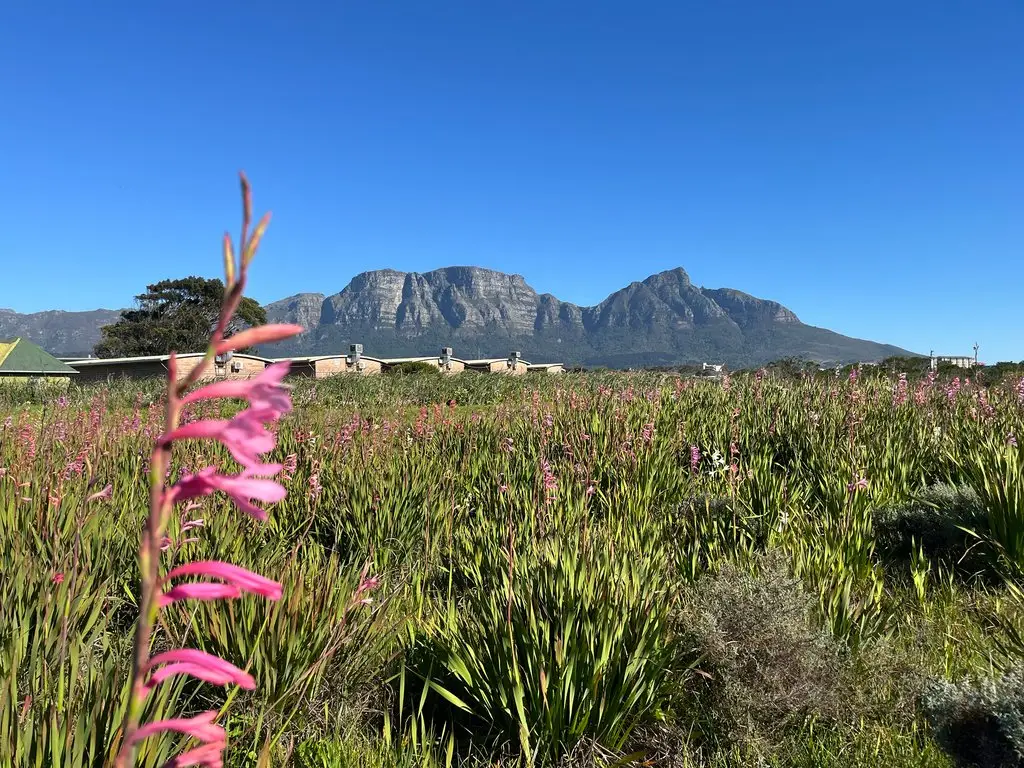
There is something magical about spring in the fynbos. Almost overnight, the veld begins to transform as flowers burst into bloom, splashes of colour emerge across the landscape, and pollinators buzz from flower to flower. Birds are busy raising their young, with chicks and goslings following close behind their parents, while warmer temperatures bring renewed activity throughout the ecosystem. It is a season of colour, new life and fascinating natural encounters, making it one of the most rewarding times to explore our local biodiversity.
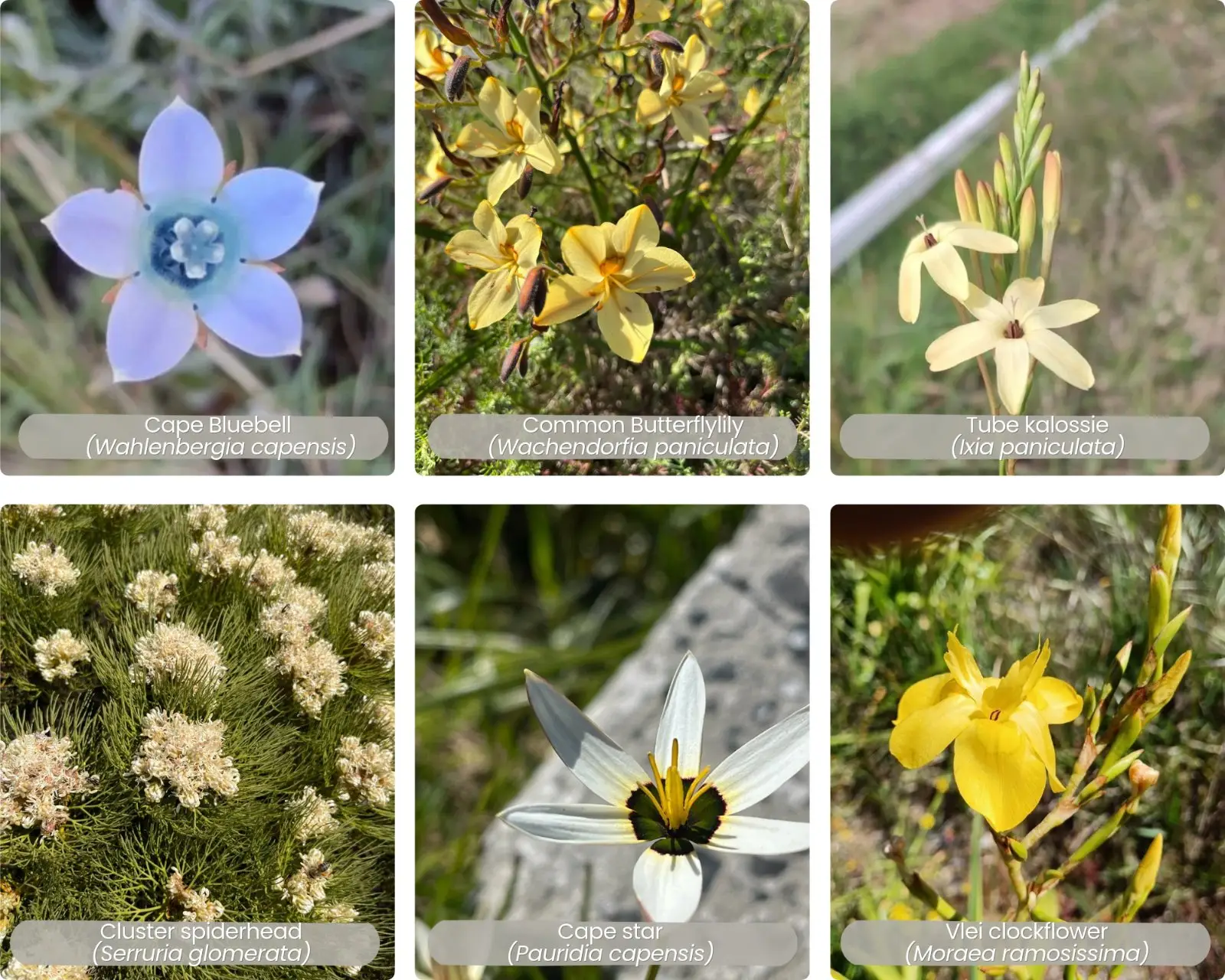
South Africa is exceptionally rich in natural heritage, boasting nine recognised biomes and the remarkable Cape Floristic Region, part of the world’s smallest floral kingdom. This region is home to thousands of plant species, many of which occur nowhere else on Earth. Among its botanical treasures is Cape Flats Sand Fynbos, a critically endangered vegetation type that has lost much of its original extent to urban development.
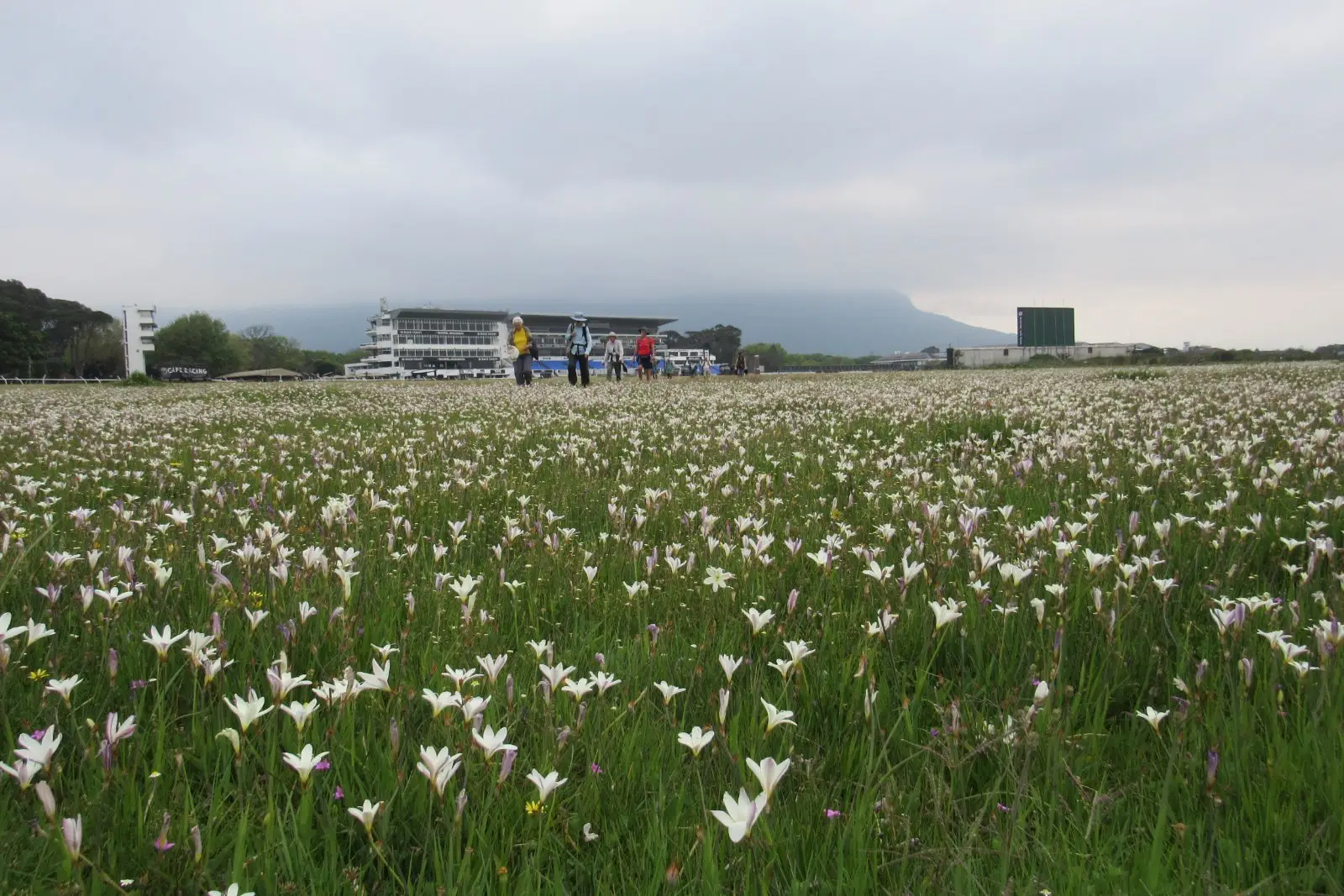
At Kenilworth Racecourse Conservation Area (KRCA), we are fortunate to experience this seasonal spectacle within a 52 ha remnant of Cape Flats Sand Fynbos, managed by Nature Connect. Nestled within Cape Town’s urban landscape, KRCA provides a valuable refuge for indigenous plants and wildlife, including species that have lost much of their natural habitat to urban development.
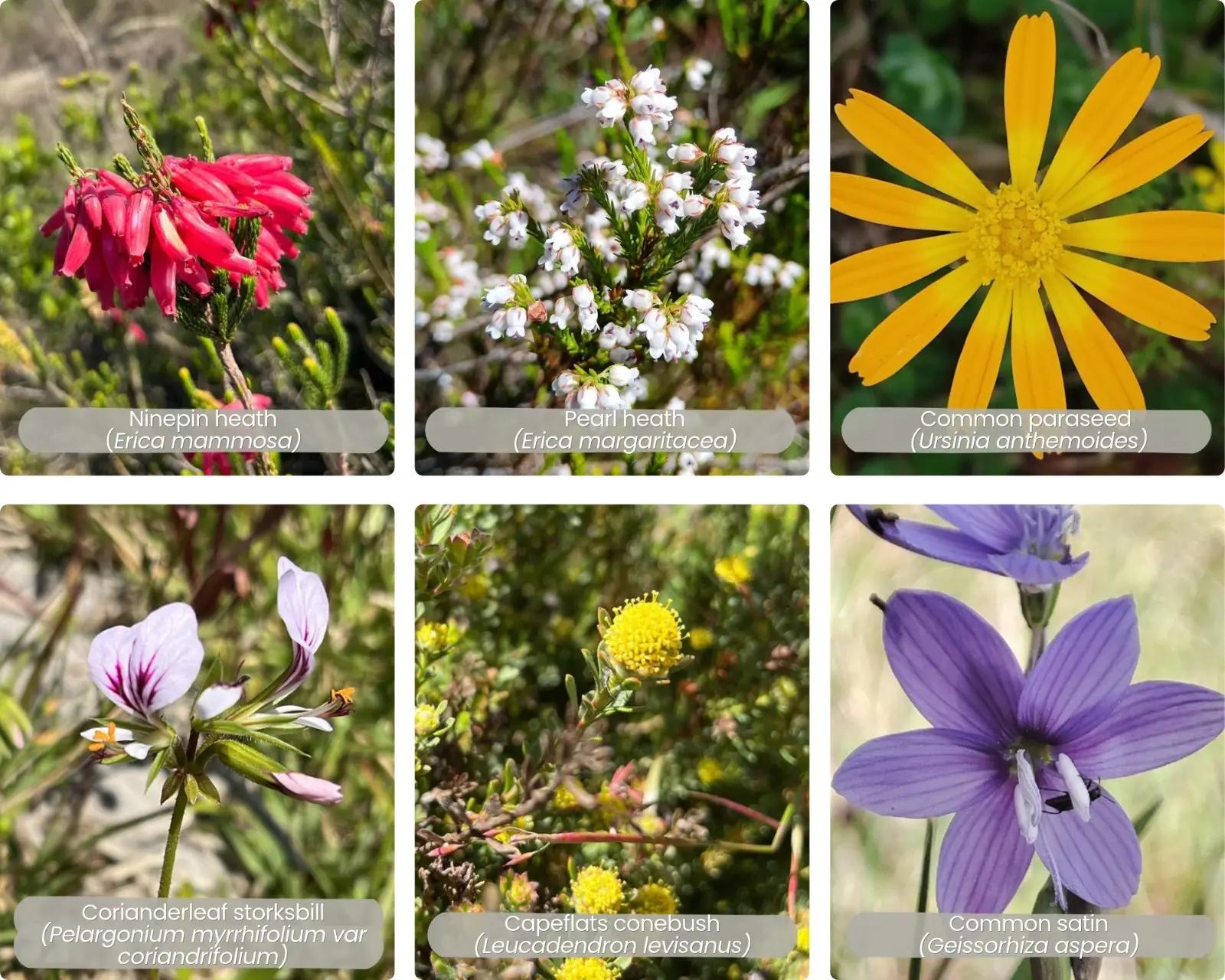
As the winter rains begin to ease and the dry summer months approach, the seasonal wetlands retain pockets of water, the fynbos reaches its spring flowering peak, and the conservation area comes alive with colour and activity. These seasonal changes offer a opportunity to appreciate the intricate relationships between plants, pollinators and wildlife, reminding us that fynbos is a living, interconnected ecosystem in which every species plays a role.
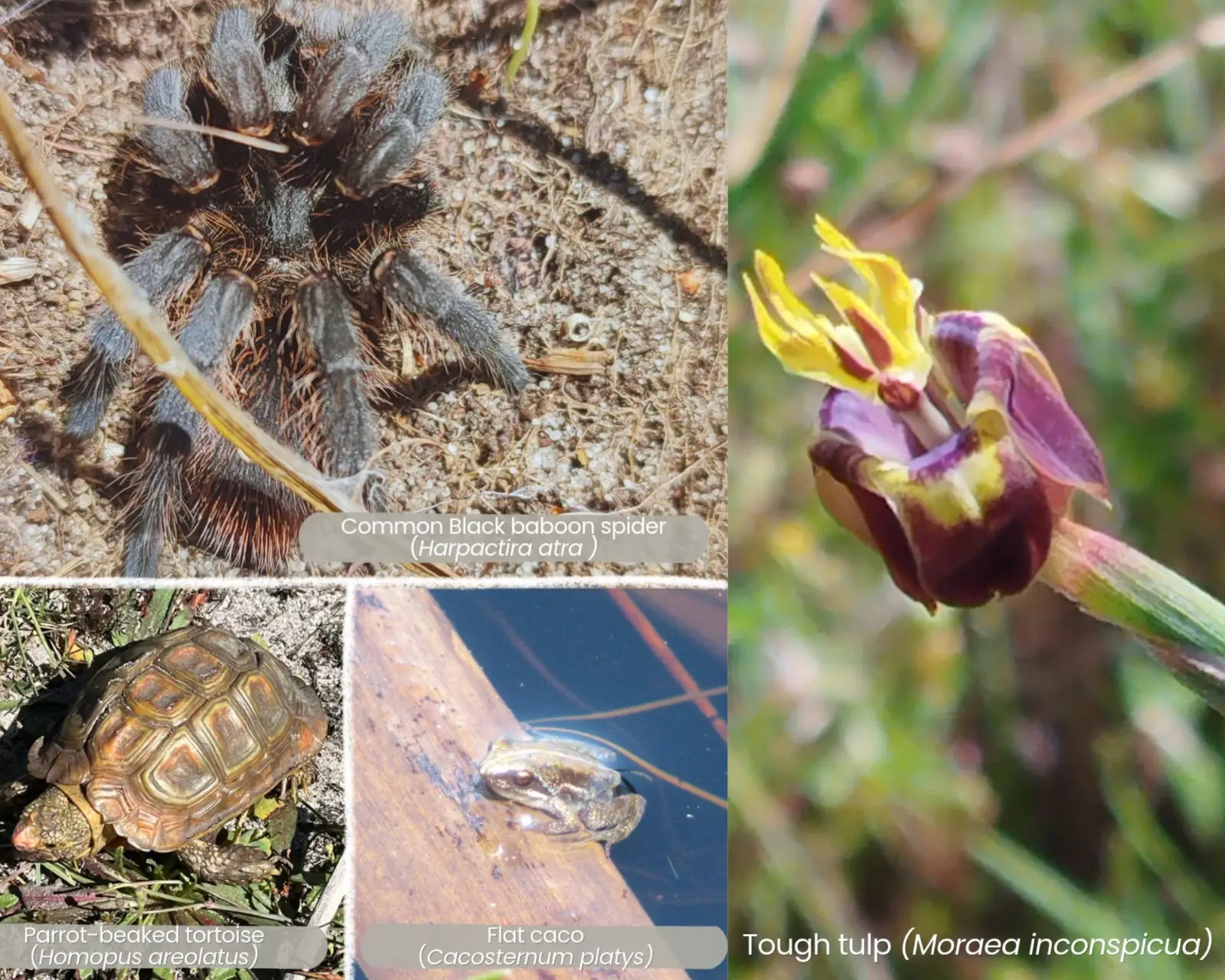
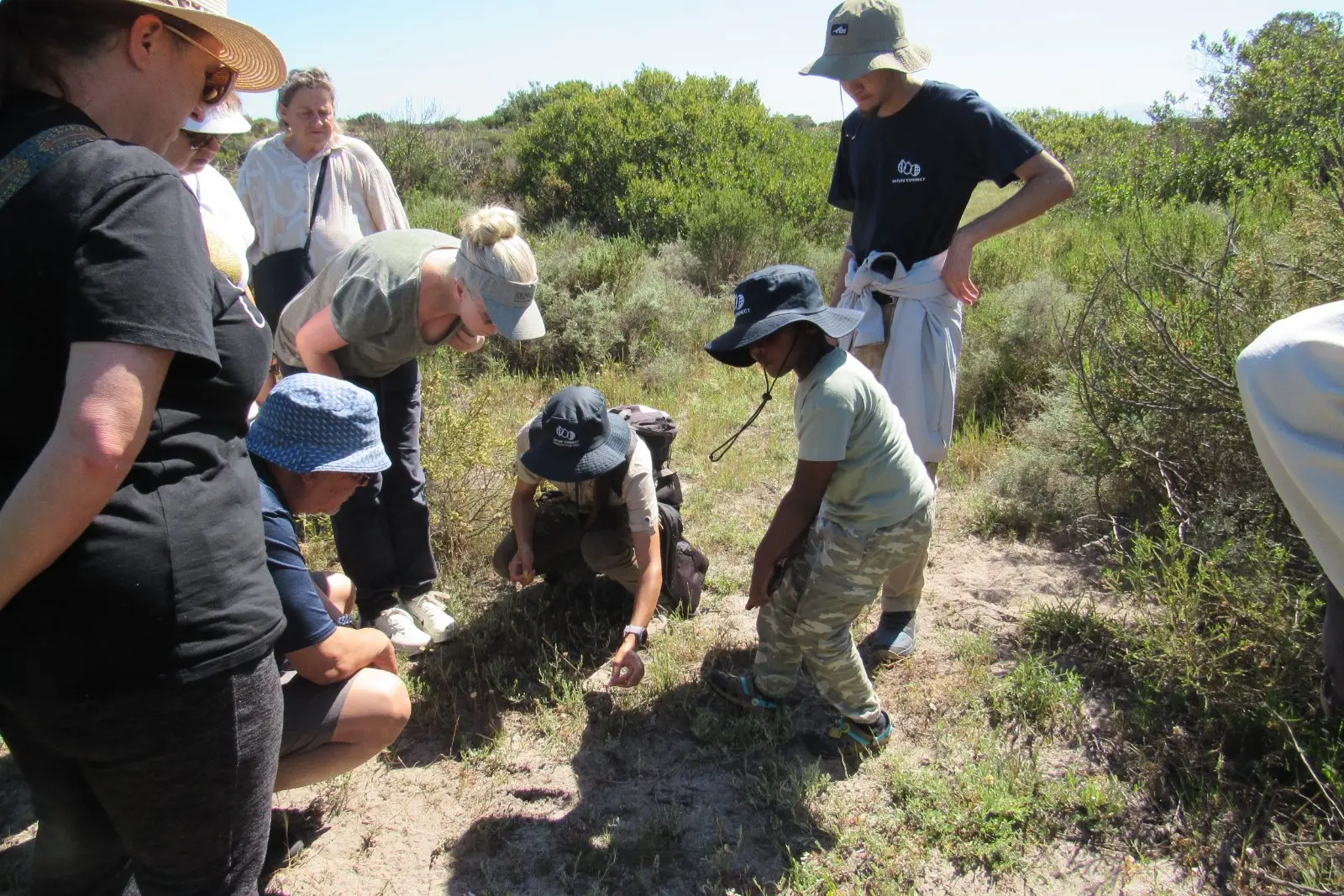
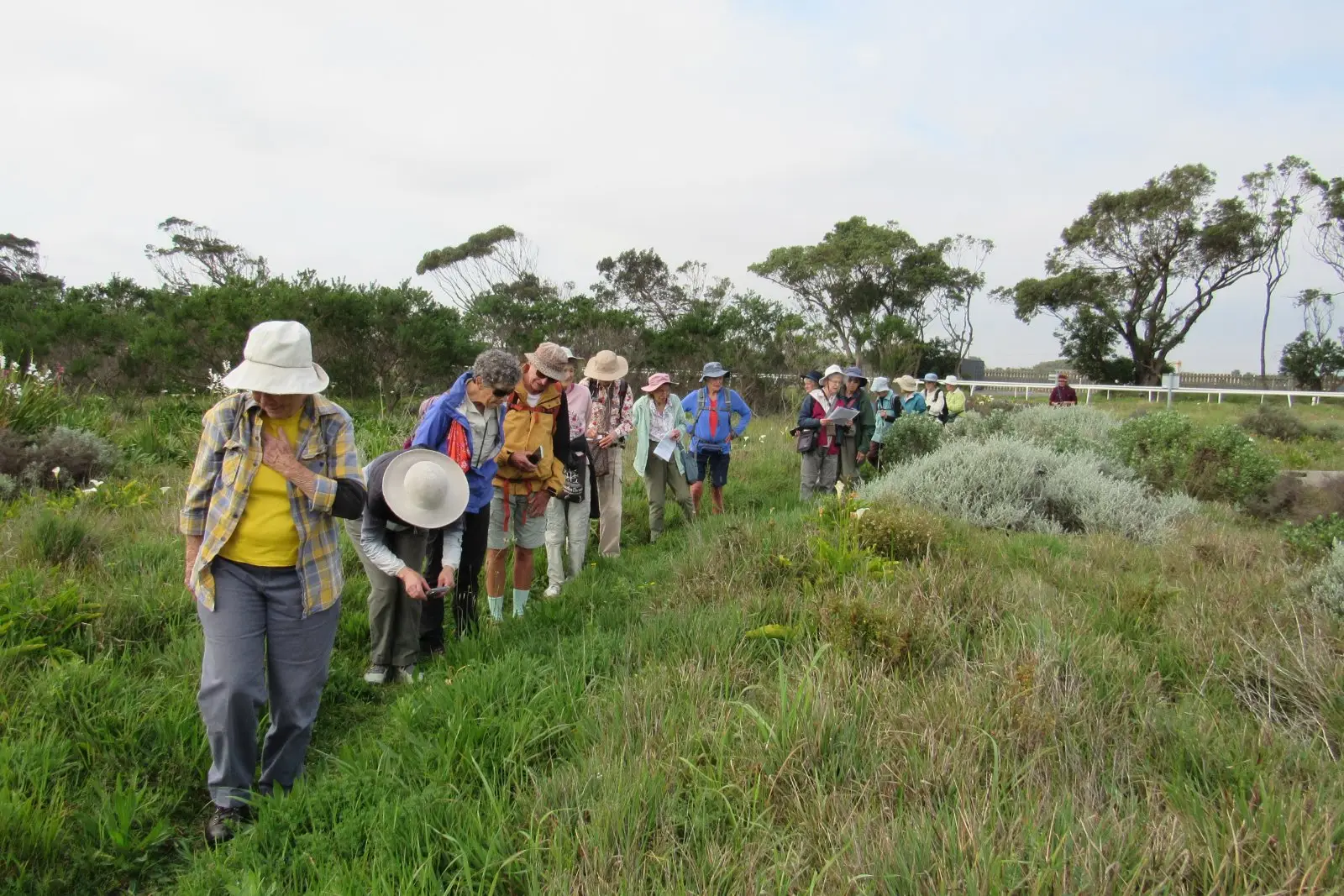
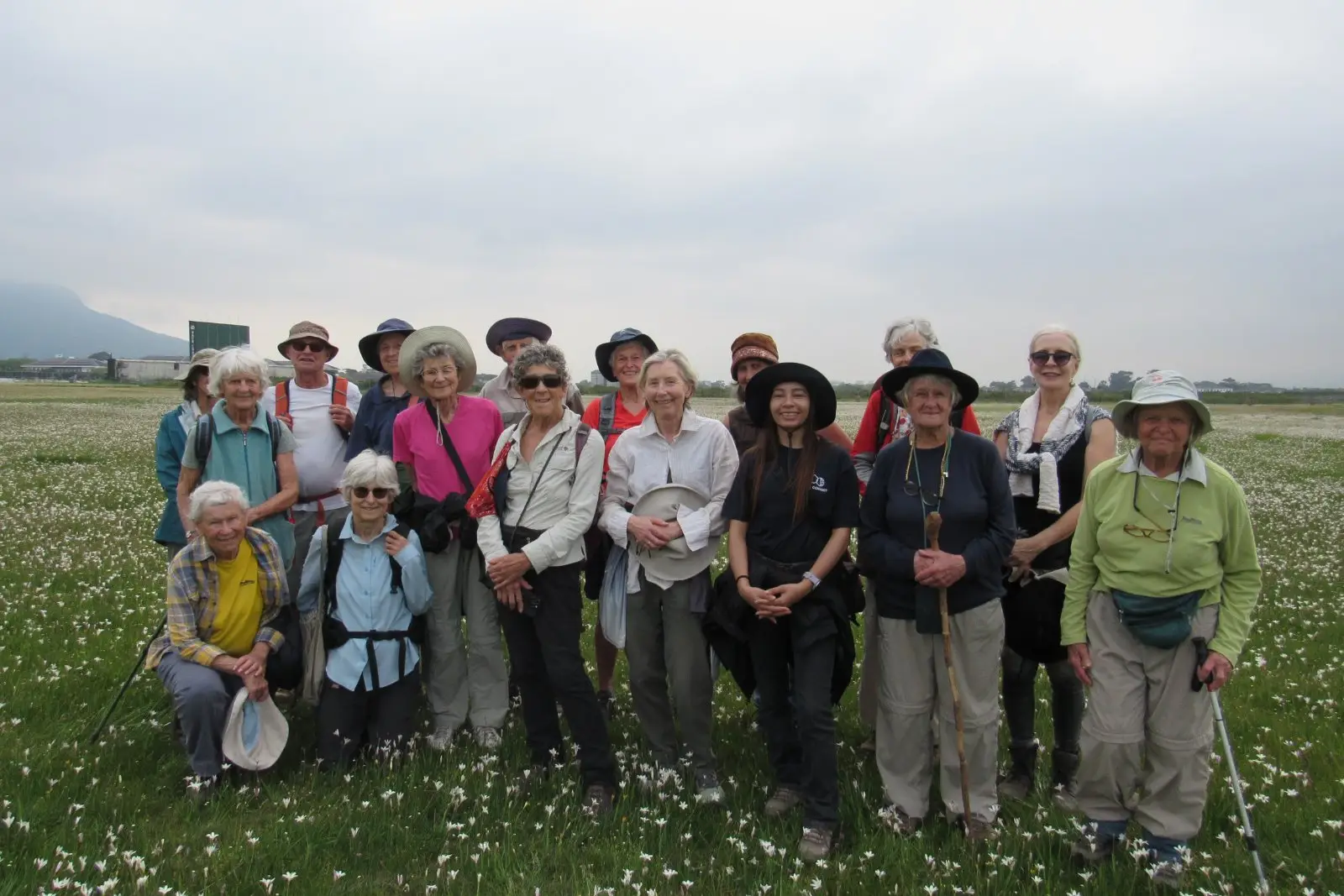
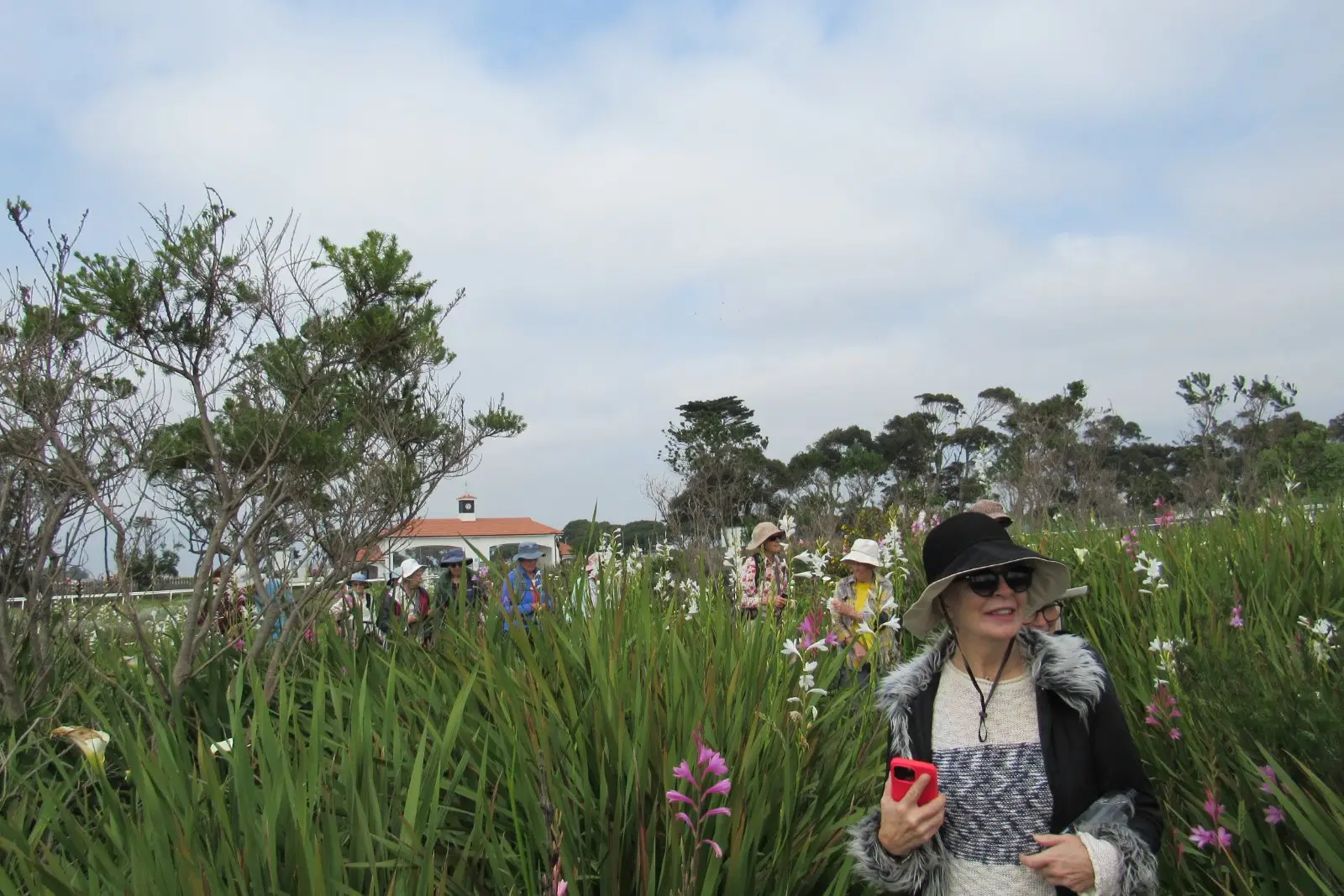
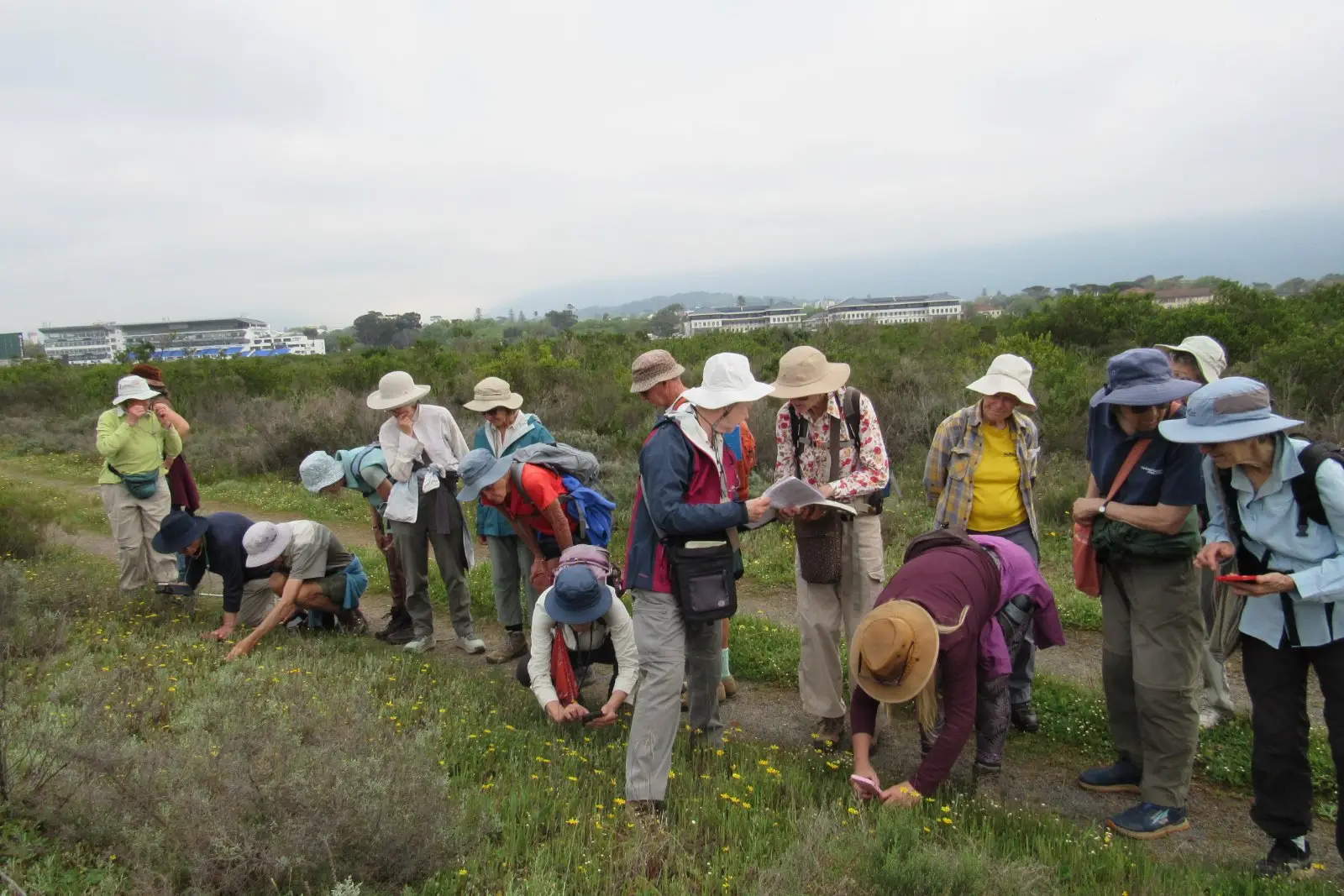
To share this special time of year with the public, KRCA hosted four “Step into Spring” guided walks at KRCA during September and October with two being private and two public walks. Together, the walks welcomed 57 participants who joined us to explore the conservation area and discover the beauty and diversity of its spring flora. We observed an array of spring flowers, with Moraea inconspicua (Tough Tulp) being a particular highlight. As its name suggests, inconspicua refers to the inconspicuous nature of its small flowers, which can easily go unnoticed by the untrained eye.
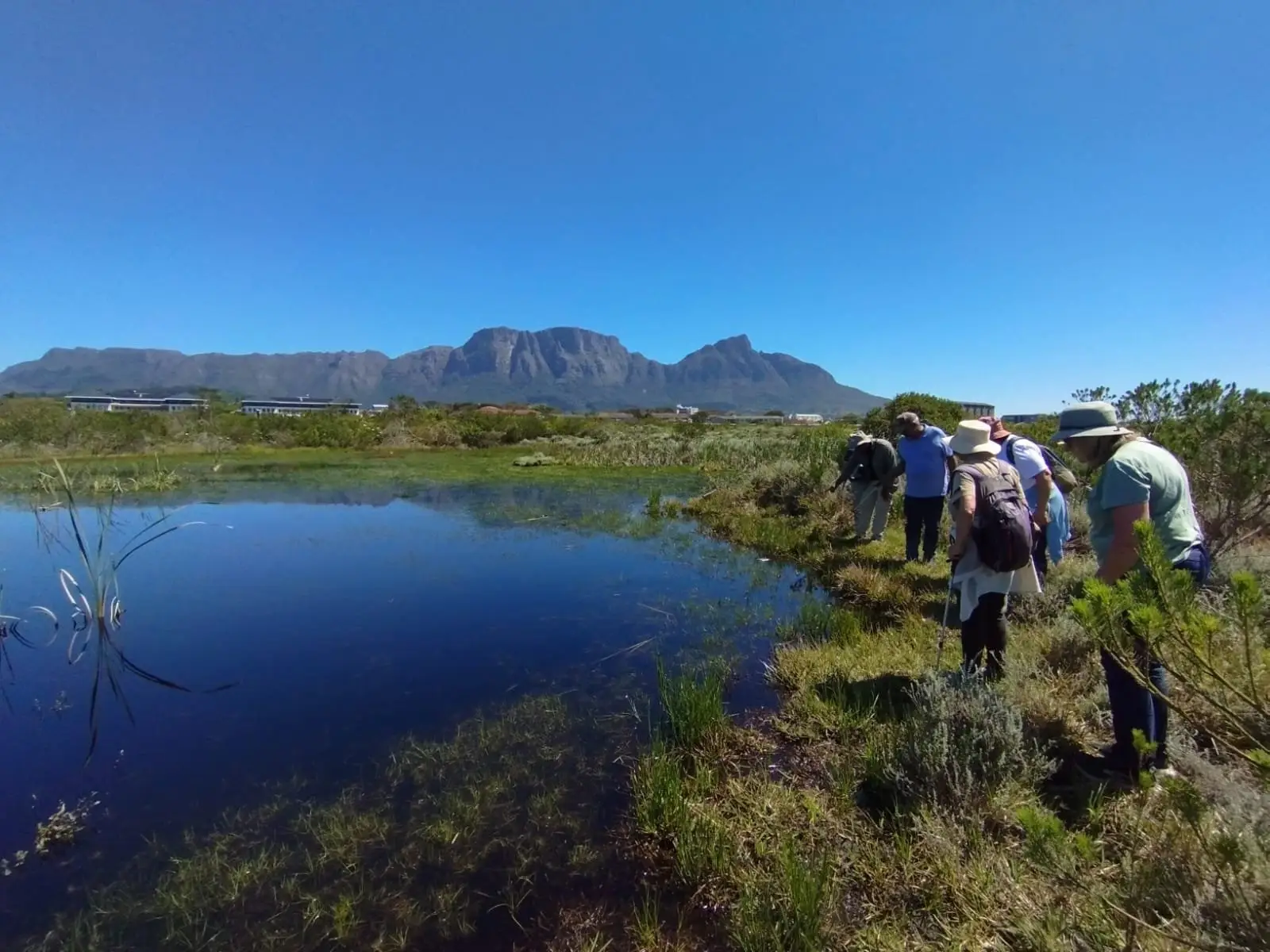
Guided walks offer more than an opportunity to admire beautiful flowers. They encourage participants to slow down, look a little closer and discover the fascinating relationships between plants, insects, birds and their surroundings. From seasonal blooms to the subtle signs of wildlife activity, each walk provides an opportunity to learn about the ecological importance of Cape Flats Sand Fynbos and the need to protect what remains.
By sharing the natural heritage of KRCA, we hope to foster a deeper appreciation for our local biodiversity and inspire more people to become involved in conservation. Even small urban conservation sites can make a significant contribution to protecting threatened habitats, supporting wildlife and connecting communities with nature.
Spring reminds us of the incredible biodiversity on our doorstep and the importance of protecting it for generations to come. We are grateful to everyone who joined us on our walks and helped us celebrate the remarkable natural heritage of KRCA. 🌿