Joshua Salako's toad detector at work: the 2026 Western Leopard Toad season
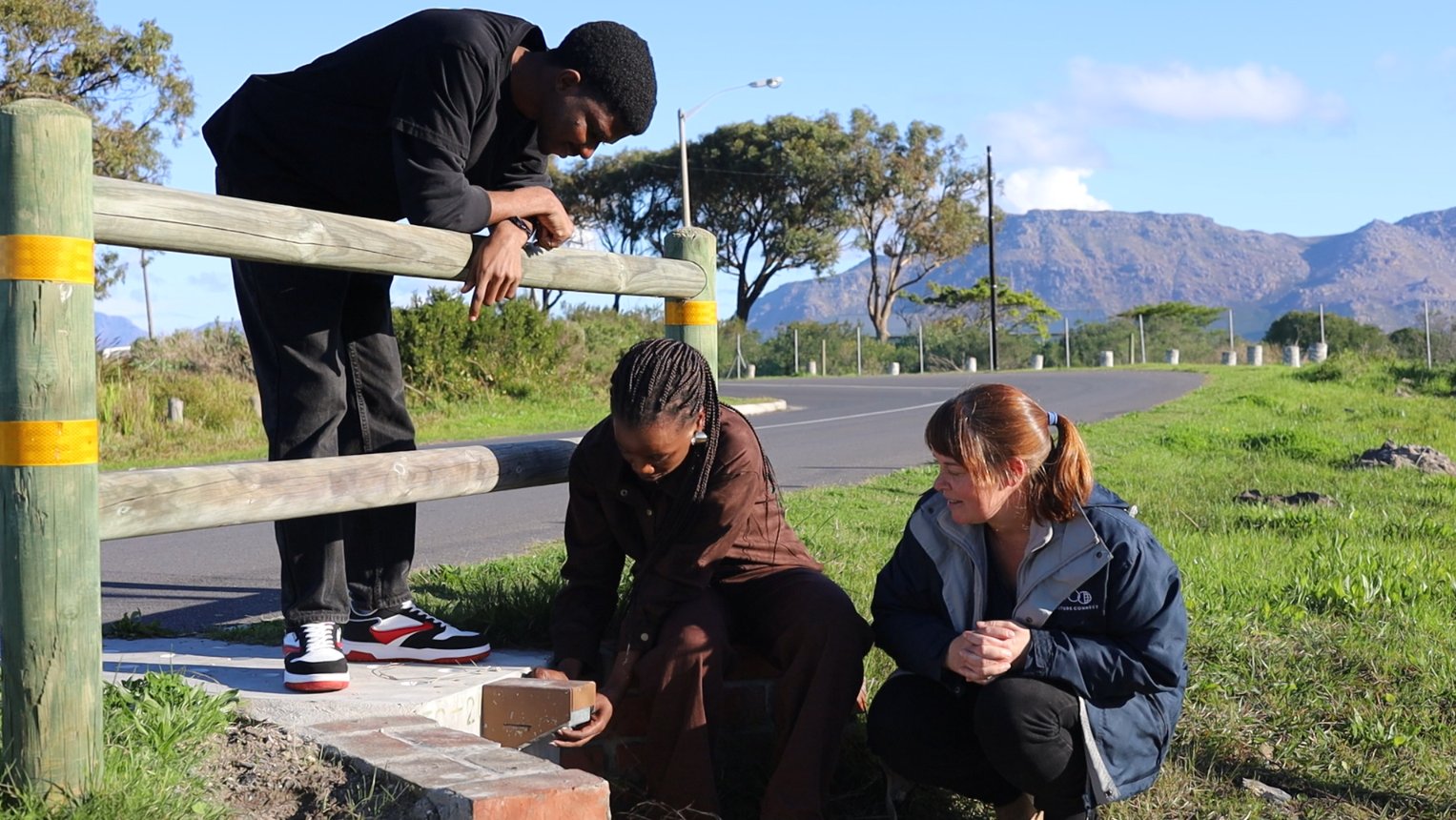
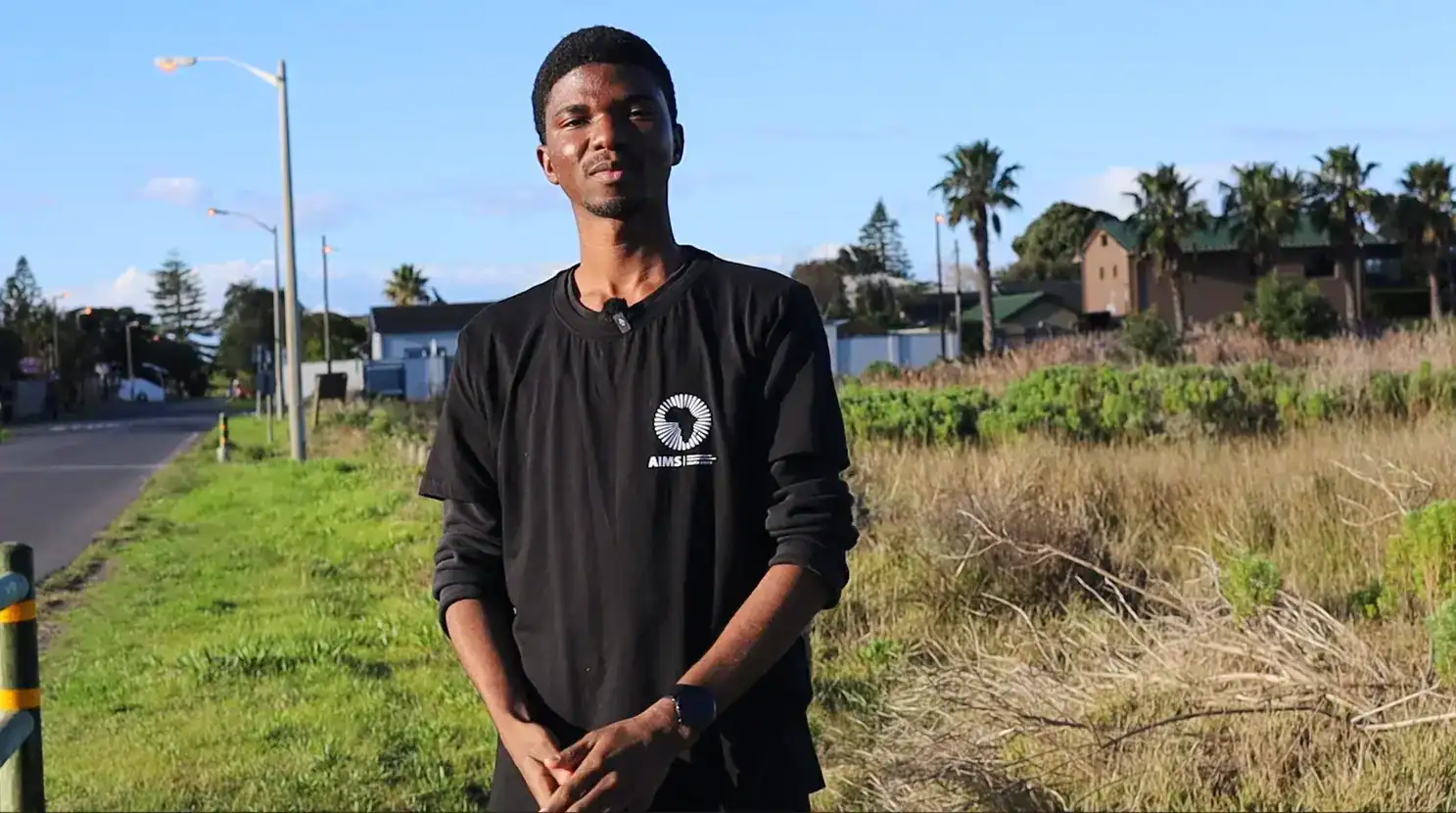
Joshua Salako set out to solve a problem every camera-trap project person knows. The cameras in the tunnels under Peninsula Road, which bisects the False Bay Nature Reserve, took more than a million photographs between 2023 and 2025, far more than any team could read by eye. Somewhere among them were images of the endangered Western Leopard Toads (Sclerophrys pantherina), for whome the tunnels were built.
For his master’s research at the African Institute for Mathematical Sciences (AIMS) South Africa, Joshua developed an AI-based method to automatically detect Western Leopard Toads in camera-trap images. This season, his model read every photograph the cameras took.
The research
Joshua’s study, Annotation-Efficient Object Detection of Endangered Western Leopard Toads in Camera Trap Imagery for Assessing Wildlife Tunnel Use, was written with Lorène Jeantet of AIMS and Kim Gordon of Nature Connect. It sets out a method built to need as little hand-labelling as possible to train the model to automatically detect the toads from the images. It begins with just 20 labelled photographs, improving the contrast of the dark night frames, compares four detection models and lets the computer choose which photographs are most worth labelling for the next cycle of training.
Once the best-performing model had been selected, it was applied to more than one million photographs from 2023 to 2025. His method found 730 sightings of the toad in 387 separate events, and mapped 15 re-encounters: toads photographed again on the opposite side of the tunnels. In October 2026, Joshua published his application, AmphiLens, openly: its code, its trained models and a guide to installing it, so that any project team working with camera traps can use it.
His model at work in 2026
Nature Connect runs AmphiLens each week with Joshua’s trained models. Llewellyn Williams, our Media and Communications Manager, built it into Nature Connect’s staff portal and made the adjustments a small team needs to use it week after week. These improvements include a review page where our team confirms each photograph the model flags, an updated version of the model trained on all toad and other amphibian images identified between 2023 and 2025, and a feature that helps match photographs of the same toad taken at different times or on different sides of a tunnel.
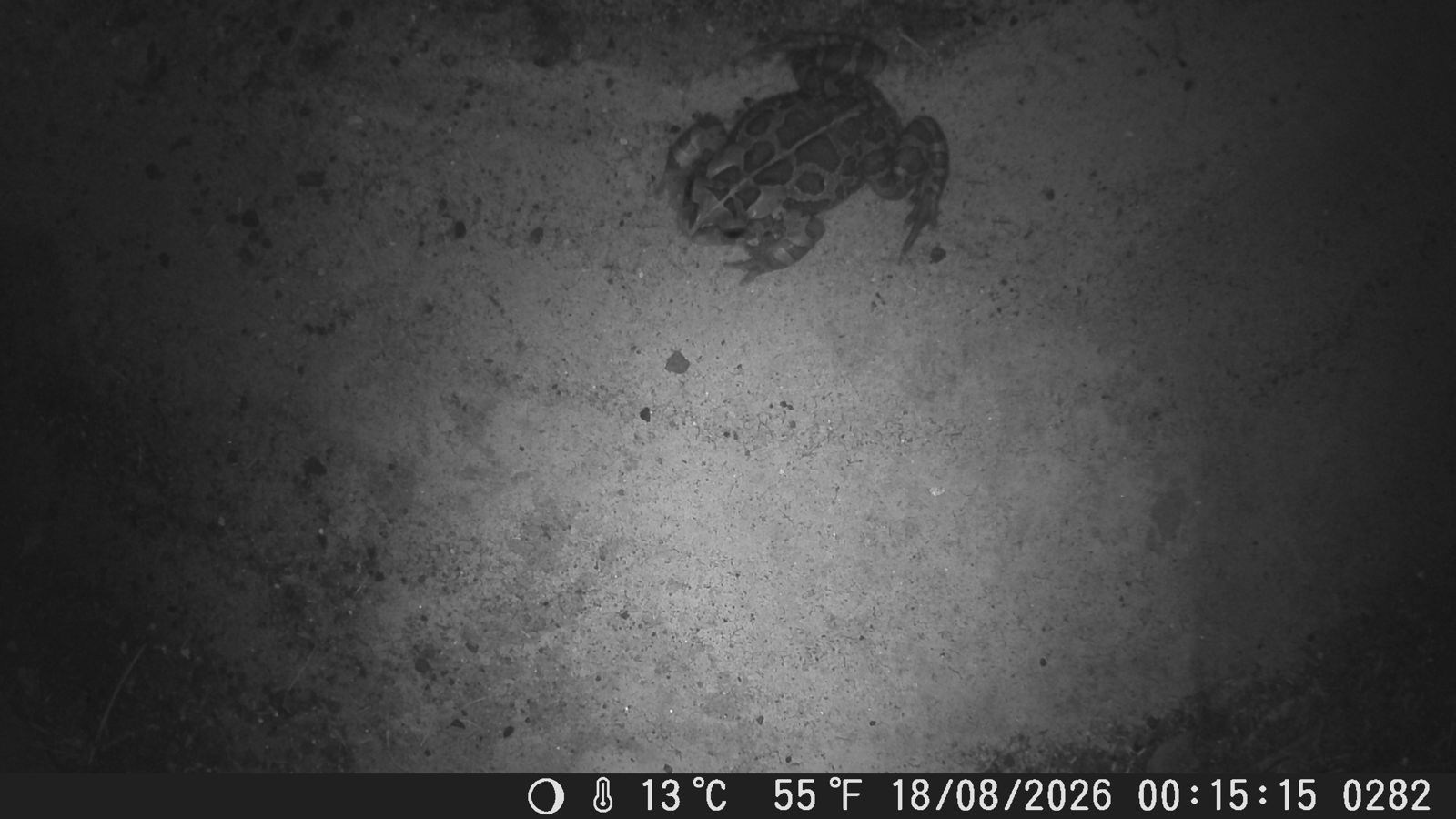
Since October, the system has checked 2,160,620 photographs from the 2023 to 2026 seasons. This season alone, the cameras took 1,176,380. Fewer than one in a thousand show a toad: 384 photographs, which count as 130 toads seen, since photographs of the same toad a few minutes apart count once. The busiest night was 17 August, when 16 toad visits occurred at the tunnels.
Telling one toad from another
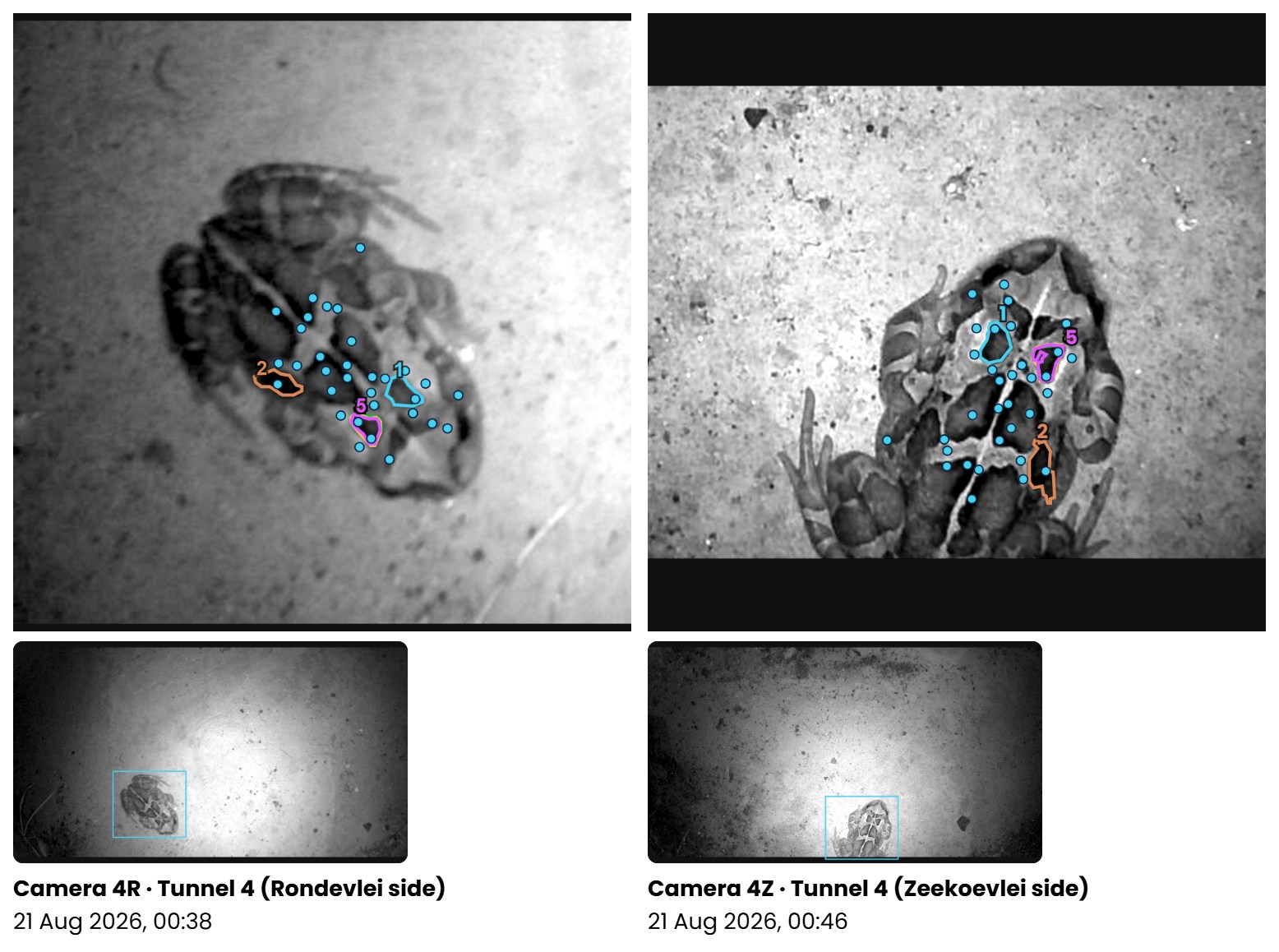
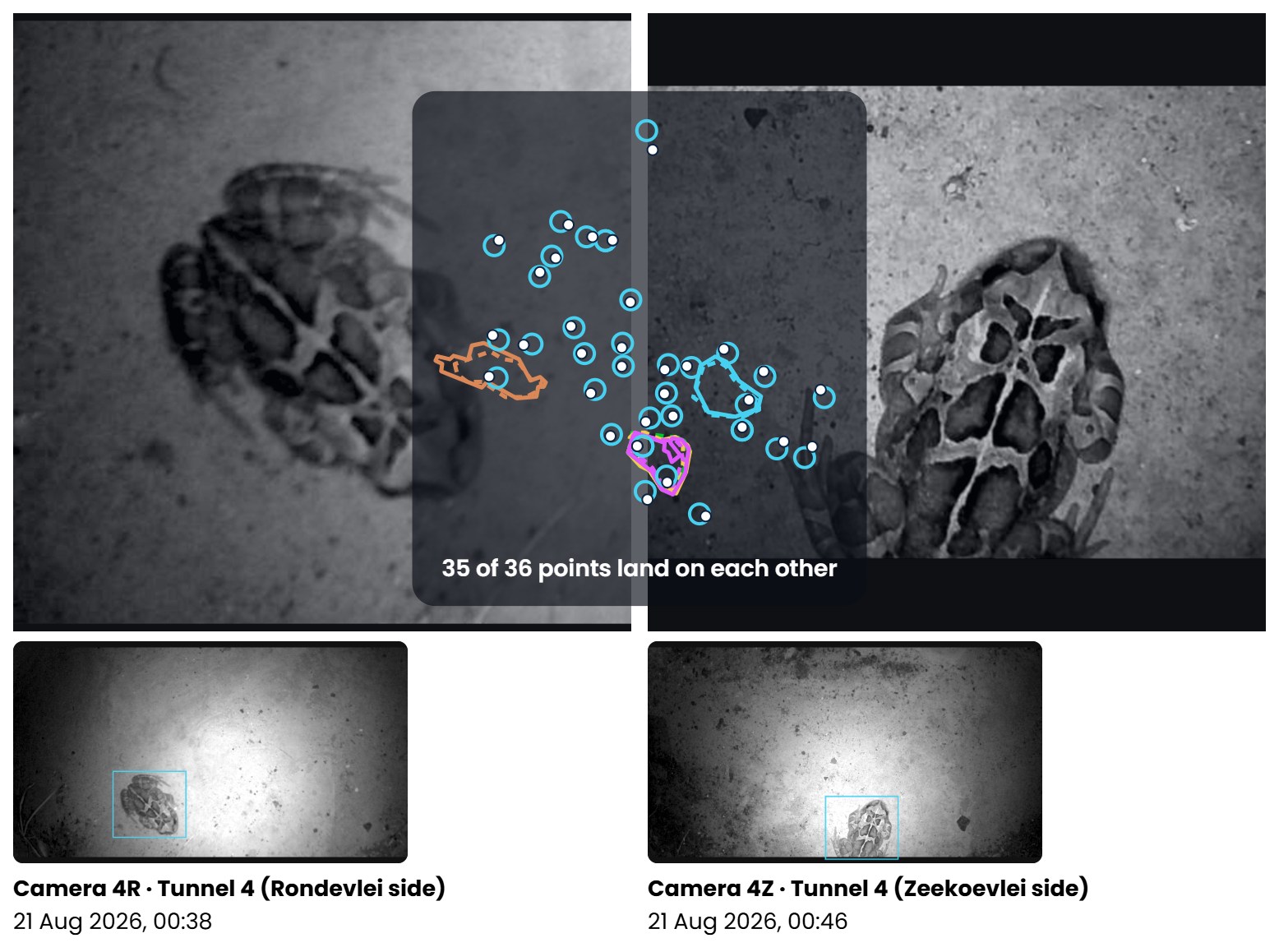
Every Western Leopard Toad carries its own pattern of dark patches edged in yellow, and it keeps that pattern for life. The portal compares those patterns across photographs, following the approach in Joshua’s study, and puts forward pairs that may be the same toad. A person confirms every match before it counts.
The first confirmed matches already show toads crossing. One toad, T2026-7, was photographed at the Rondevlei end of tunnel 4 at 00:38 on 21 August and at the Zeekoevlei end eight minutes later, by the cameras’ clocks. Of the 36 points the computer matched on its back, 35 land on each other when the two photographs are laid together.
Our team is still confirming the season’s matches, and we will share the number of individual toads and crossings once the checks are complete. That review is the slowest part of the work, and it is what turns a likely match into a confirmed crossing.
Fifteen seconds between photographs
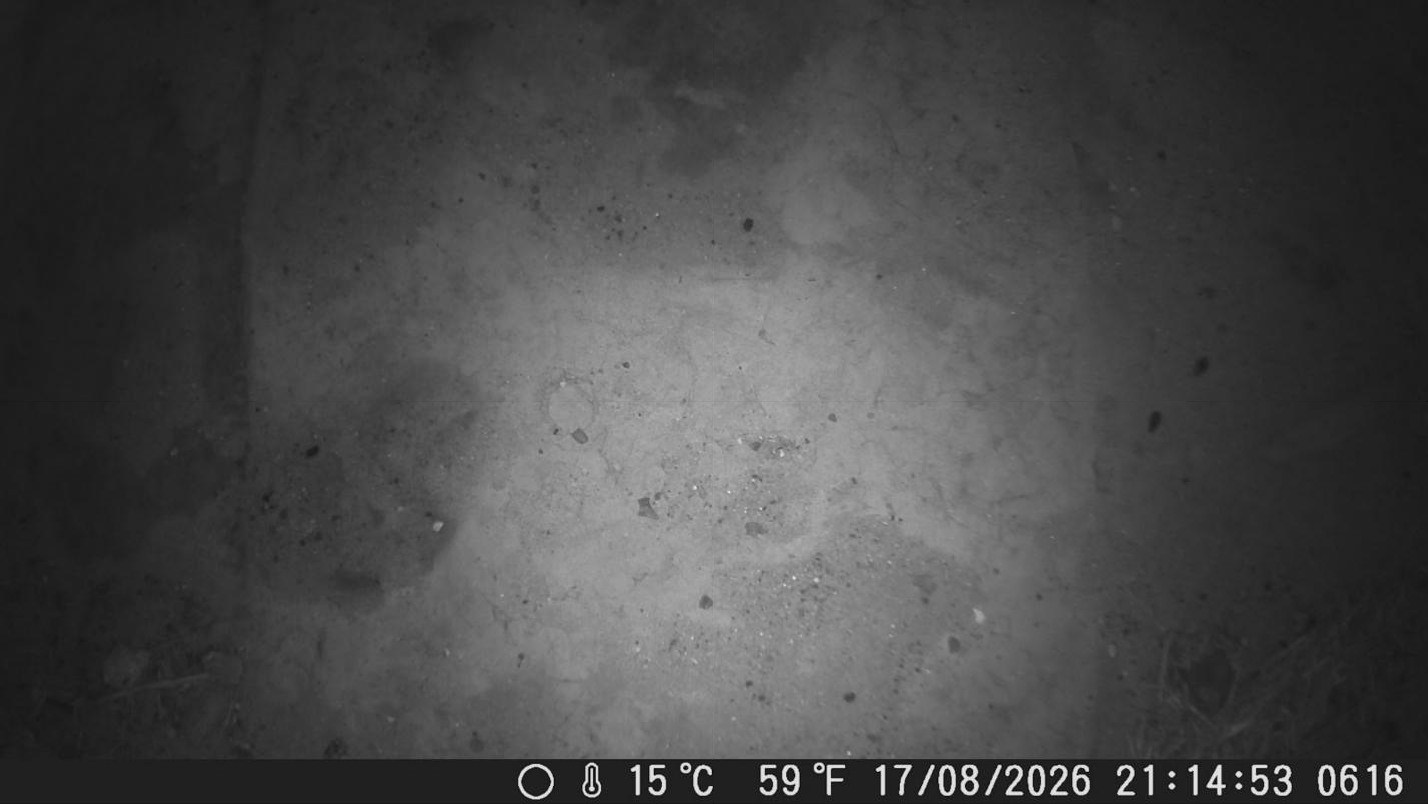
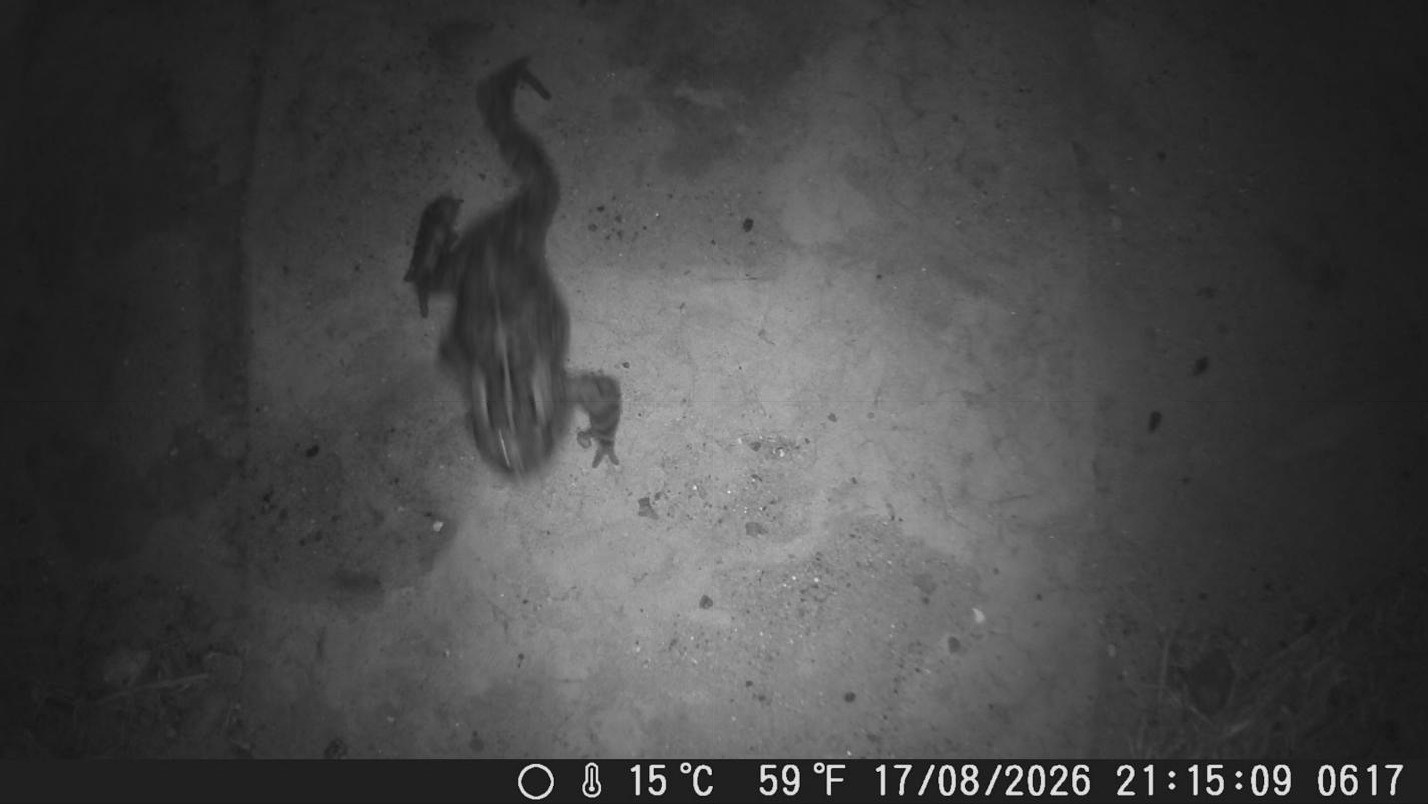
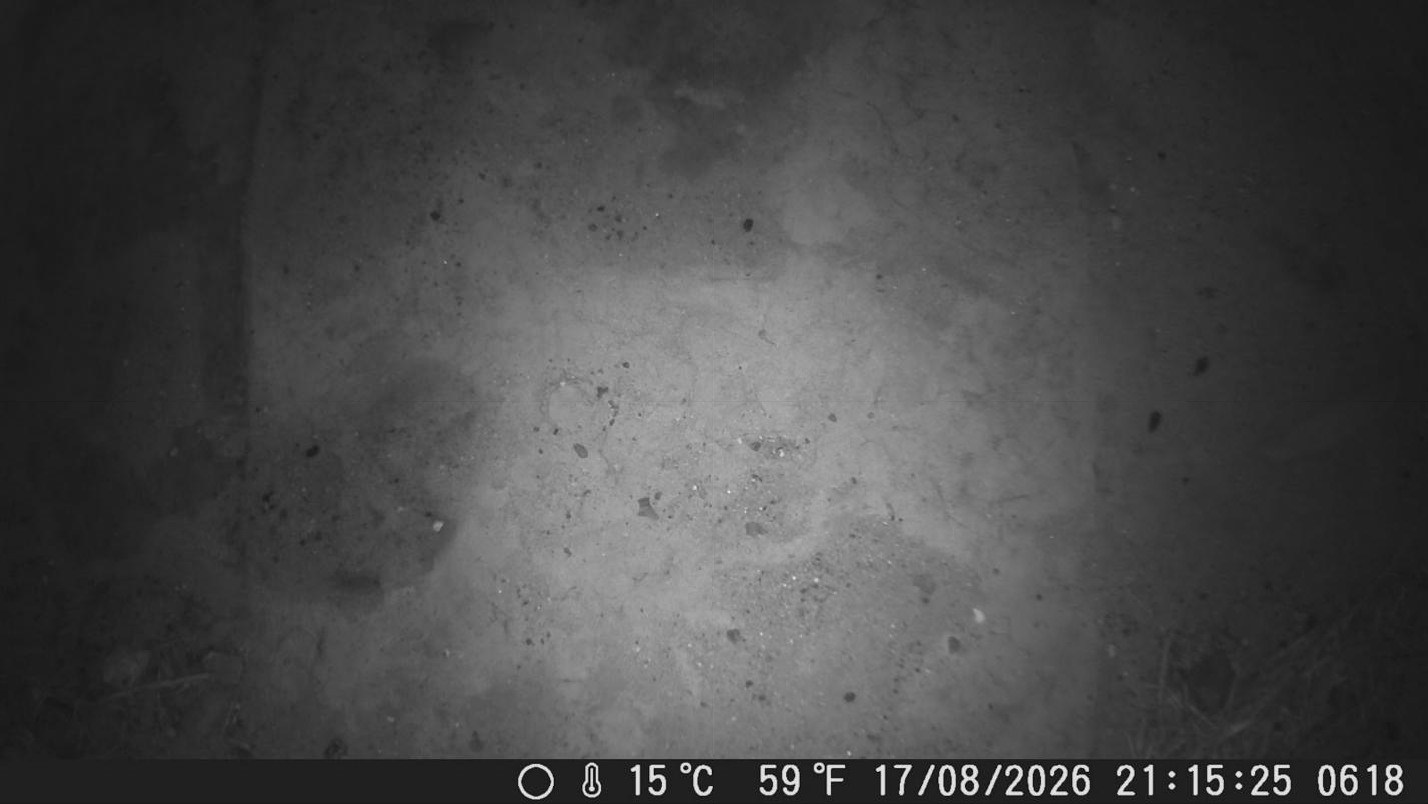
The cameras were set to take a photograph every 15 seconds because being cold blooded the heat sensors that usually trigger a camera trap don’t work on toads. On 17 August, the camera at the Rondevlei end of tunnel 3 photographed an empty floor at 21:14:53, a toad in mid-crawl at 21:15:09 and an empty floor again at 21:15:25. The toad crossed the whole of the camera’s view in less time than the camera waits between photographs.
A toad moving that quickly can pass a camera without being photographed at all, so the real number of crossings may be higher.
What the season shows
The busiest night, 17 August, came under a thin crescent moon and the temperature falling no lower than 10,5 °C. Across all four seasons, most toads moved when the night was between 12 and 17 °C, and the single busiest temperature was 15 °C. With four seasons of photographs in one place, those patterns can now be compared year on year.
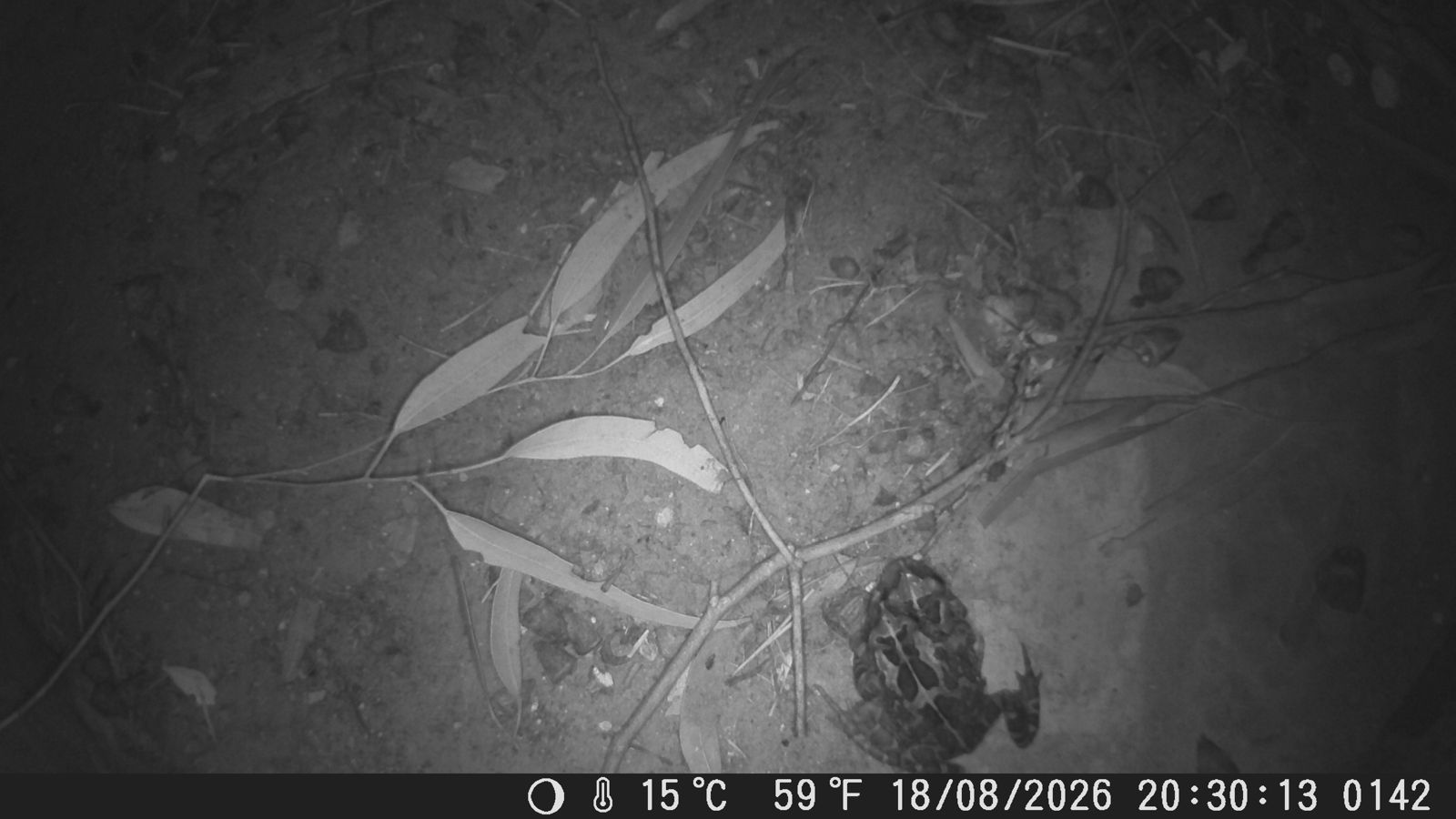
On 18 August at 20:30, the camera at the Rondevlei end of tunnel 6 photographed two toads, one on top of the other. This is amplexus, the mating position, in which the male clasps the female from behind. The female lays her eggs while the pair is in amplexus: thousands of them, in long strings of jelly. Then the male fertilises them.
Built on years of fieldwork
None of this would be possible without the tunnels and the people who have watched over them. Nature Connect installed the first two tunnels with William Dau Civils in 2021, with funding from Fondation Ensemble and Leisure Charitable Trust, and four more in 2023 with funding from The Mohamed bin Zayed Species Conservation Fund and Forvia Foundation. The camera traps, sponsored by Hensoldt, have photographed the tunnels since 2023, and our research monitors and volunteers have logged toad activity since the first tunnel opened.
“My research is an intersection between artificial intelligence and ecology,” Joshua said when we first shared his work in July. His AI model reads every photograph from the breeding season, and each confirmed crossing adds to a growing body of evidence that safe migration is possible when partners work together. In our 25th year, we are proud to be a part of that effort. Every season of data brings new questions, and we look forward to learning the answers.
Credits
The research: Joshua Salako, African Institute for Mathematical Sciences (AIMS) South Africa, with Lorène Jeantet (AIMS) and Kim Gordon (Nature Connect). AmphiLens is Joshua’s open-source application.
The portal build: Llewellyn Williams (Nature Connect), who adapted Joshua’s model for weekly use in Nature Connect’s staff portal.